.png)
Discover the Magic of Sleepy Breath: Your Guide to Better Sleep
- joemiddlebrook
- Jul 5, 2025
- 4 min read
Do you struggle with falling asleep at night? You’re not alone. Millions of people experience insomnia or poor sleep quality, leading to fatigue, stress, and decreased productivity. But what if there was a simple technique to help you relax and drift off into a peaceful slumber? Enter Sleepy Breath. This blog post will explore the benefits of sleepy breath and provide a practical guide to practicing it effectively.
What is Sleepy Breath?
Sleepy breath is a calming breathing technique designed to help relax the mind and prepare the body for sleep. By slowing down your breath and focusing your mind, you can reduce anxiety and create a sense of calm. This method is grounded in principles of mindfulness and breath control, making it accessible to everyone, regardless of age or experience.
Recent studies suggest that breathing exercises can trigger the body's relaxation response, which may lead to improved sleep quality. According to research published in the Journal of Clinical Psychology, practicing mindful breathing techniques can significantly reduce insomnia symptoms and promote restful sleep.

Benefits of Practicing Sleepy Breath
Incorporating sleepy breath into your nightly routine can provide numerous benefits:
Reduces Stress and Anxiety: Focused breathing can lower cortisol levels, the hormone linked to stress, helping you unwind and let go of the day’s worries.
Enhances Sleep Quality: Engaging in mindful breathing prepares your body for restful sleep, increasing the chance of uninterrupted slumber.
Improves Focus: Calming your mind with sleepy breath can enhance your mental clarity and reduce racing thoughts before bedtime.
Easy to Learn: This technique requires no special equipment or prior experience, making it easily accessible to anyone.
According to the National Sleep Foundation, establishing a calming nightly ritual that includes breathwork can significantly improve overall sleep quality.
How to Practice Sleepy Breath Effectively
To reap the benefits of sleepy breath, follow these five steps:
Step 1: Create a Relaxing Environment
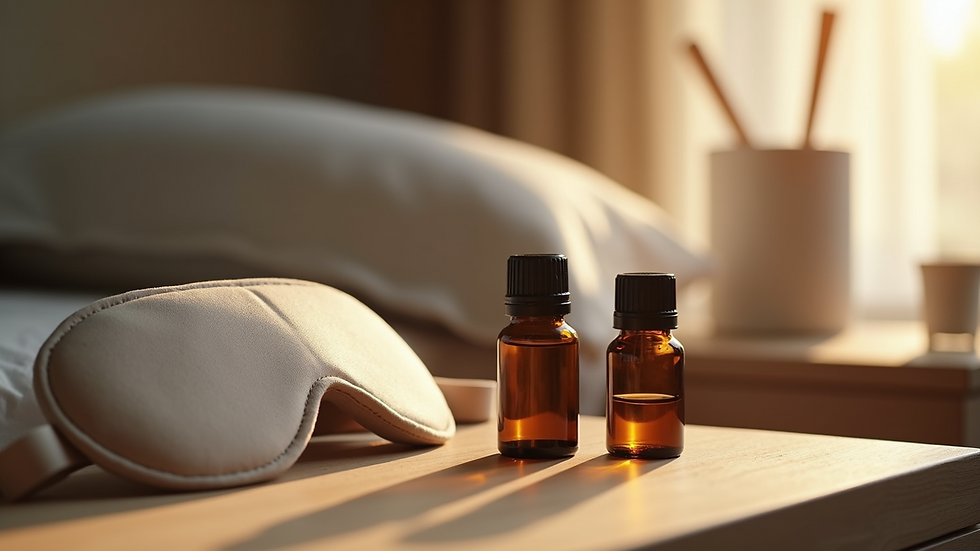
Prepare your sleeping area to promote relaxation. Dim the lights, play soft music, or use aromatherapy to create a soothing atmosphere. Consider keeping your bedroom clutter-free to reduce distractions.

Step 2: Find a Comfortable Position
Position yourself comfortably, whether lying down or sitting up. Ensure that your body feels supported, and your spine is straight. You can place one hand on your chest and the other on your abdomen to gauge your breathing.
Step 3: Focus on Your Breath
Begin breathing deeply through your nose. Allow your abdomen to expand as you fill your lungs, then exhale slowly through your mouth. Focus on the rhythm of your breath and the sensation of air flowing in and out of your body.
Practice the 4-7-8 technique: Inhale for four counts, hold your breath for seven counts, and exhale for eight counts. This technique has been popularized by Dr. Andrew Weil and is known to promote relaxation.
Step 4: Visualize Calmness
As you breathe, visualize a peaceful scene, such as a calm beach or a quiet forest. Picture yourself surrounded by tranquility, allowing this calmness to fill your mind and body.
Step 5: Continue Until Sleep Follows
Stay with your sleepy breath practice until you feel drowsy or drift off to sleep. If your mind wanders, gently guide it back to your breath and visualization. Consistency is key—practice each night to build a habit.
Additional Tips for Better Sleep
In addition to practicing sleepy breath, consider implementing these strategies for improved sleep quality:
Establish a Consistent Sleep Schedule: Go to bed and wake up at the same time each day to regulate your body’s internal clock.
Limit Screen Time Before Bed: The blue light emitted from screens can disrupt your circadian rhythm. Try to avoid screens at least an hour before bedtime.
Watch Your Diet: Avoid heavy meals, caffeine, and alcohol close to bedtime. These can interfere with your sleep cycle.
Incorporate Physical Activity: Regular exercise can promote better sleep but try to avoid vigorous workouts close to bedtime.
Seek Professional Help: If you continue to struggle with sleep, consider reaching out to a healthcare professional or sleep specialist.
The Science Behind Sleepy Breath
The mechanism behind sleepy breath lies in its ability to activate the parasympathetic nervous system, which is essential for relaxation. When you practice deep breathing, you stimulate the vagus nerve, promoting a state of calm.
Research indicates that mindful breathing can significantly impact heart rate and blood pressure, reducing anxiety levels and paving the way for restorative sleep. In the book "The Relaxation Response" by Dr. Herbert Benson, studies demonstrate the positive effects of deep, mindful breathing on the body's stress response.
Integrating sleepy breath into your nightly routine may lead to significant improvements in your sleep quality and overall well-being. Now you can follow the above guidelines to harness the benefits of this powerful tool.
Having Patience on Your Sleep Journey
It's essential to be patient when incorporating any new practice into your life, including sleepy breath. Like any skill, it takes time to master. If you don’t notice immediate results, don’t be discouraged. Consistent practice will yield better outcomes over time.
Stay committed to your practice, and soon, sleepy breath may become a cherished part of your nighttime ritual.
By prioritizing your sleep and adopting techniques like sleepy breath, you're investing in your mental, emotional, and physical health.
Final Thoughts
Sleep is crucial for overall wellness, and sleepy breath provides a simple yet effective pathway to achieving better sleep. By incorporating this technique into your bedtime routine, you can usher in tranquility and relaxation. With practice, you’ll find yourself drifting off to sleep more easily and waking up refreshed and ready for the day ahead.
Remember, a good night’s sleep is just a few breaths away!
For additional resources on improving your sleep, consider checking out the National Sleep Foundation’s website at sleepfoundation.org.


Comments